CONVENTION ON THE COLLECTION, DEPOSIT AND RECEPTION OF WASTE GENERATED DURING NAVIGATION ON THE RHINE AND OTHER INLAND WATERWAYS

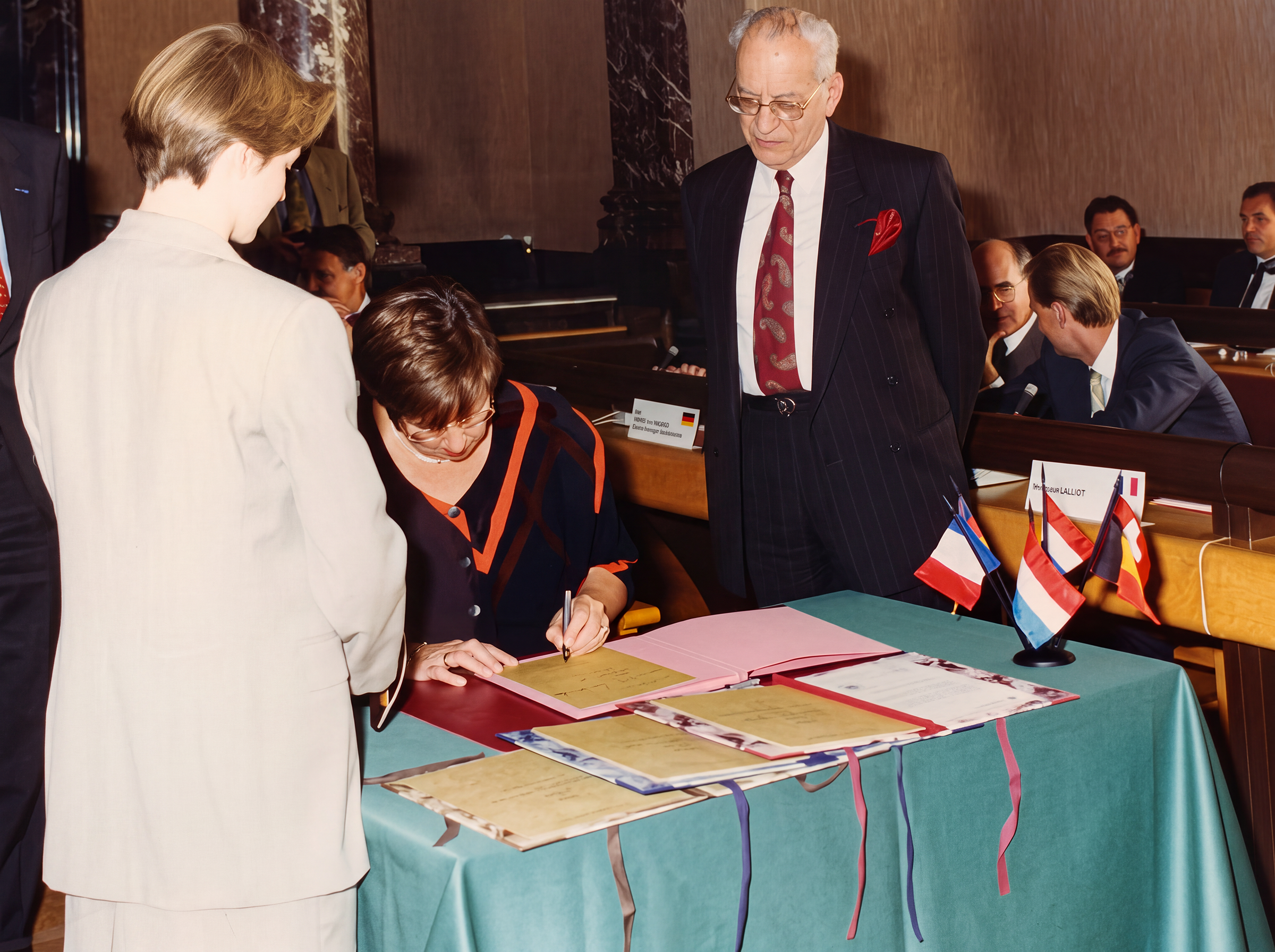
Strasbourg, 9 September 2026 – The environment has good reason to celebrate. Exactly 30 years ago, on 9 September 1996 Belgium, Switzerland, Germany, France, Luxembourg and the Netherlands signed the Convention on the collection, deposit and reception of waste produced during navigation on the Rhine and inland waterways (CDNI).
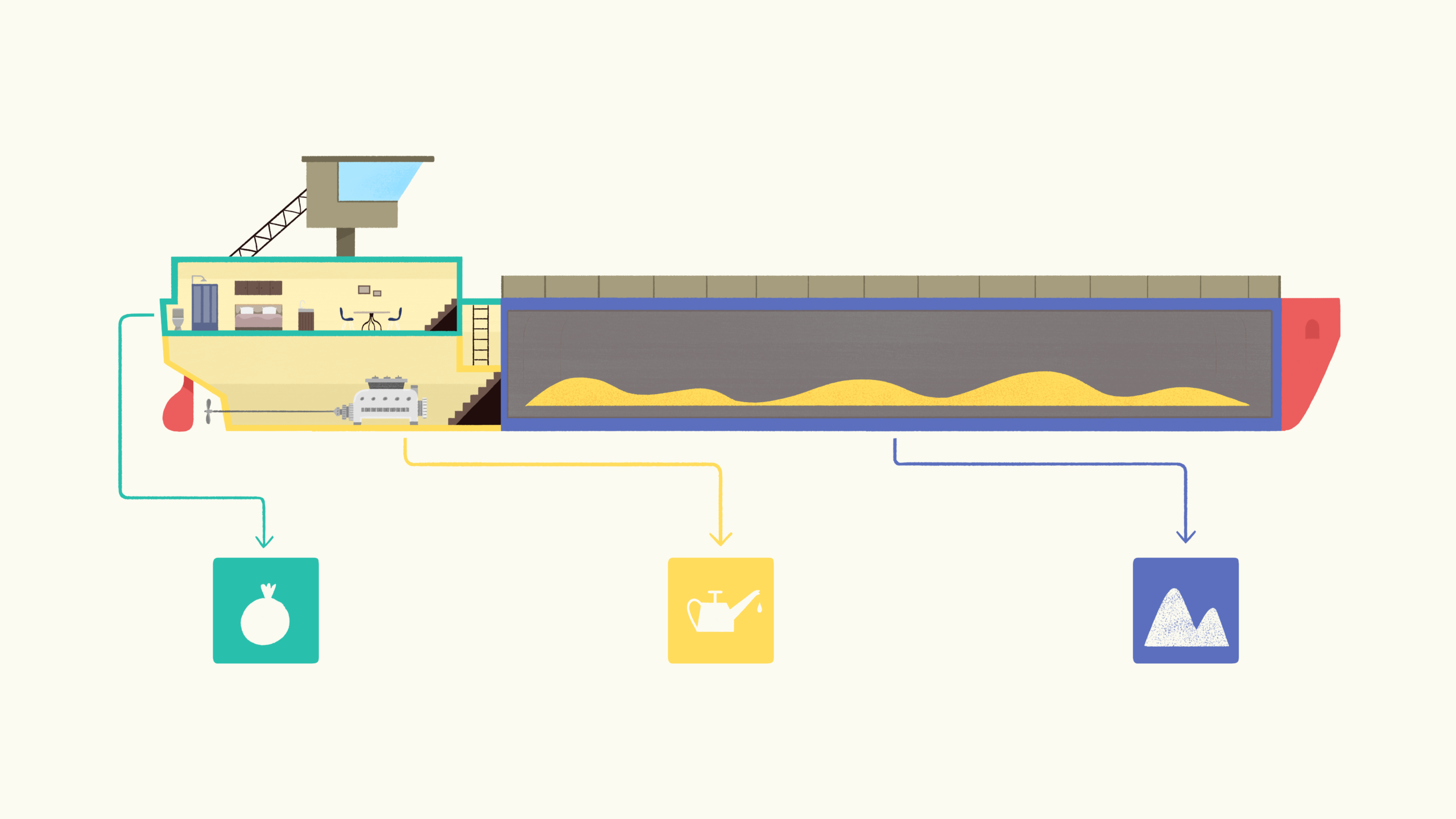
Comprising three parts, covering oily and greasy waste generated from the operation of a vessel (Part A), cargo-related waste (Part B) and other waste generated from the operation of a vessel (Part C), the CDNI remains relevant today and is unique in Europe. The CDNI is characterised by the principle of placing responsibility for waste management with the producer and by its openness to technical innovation.
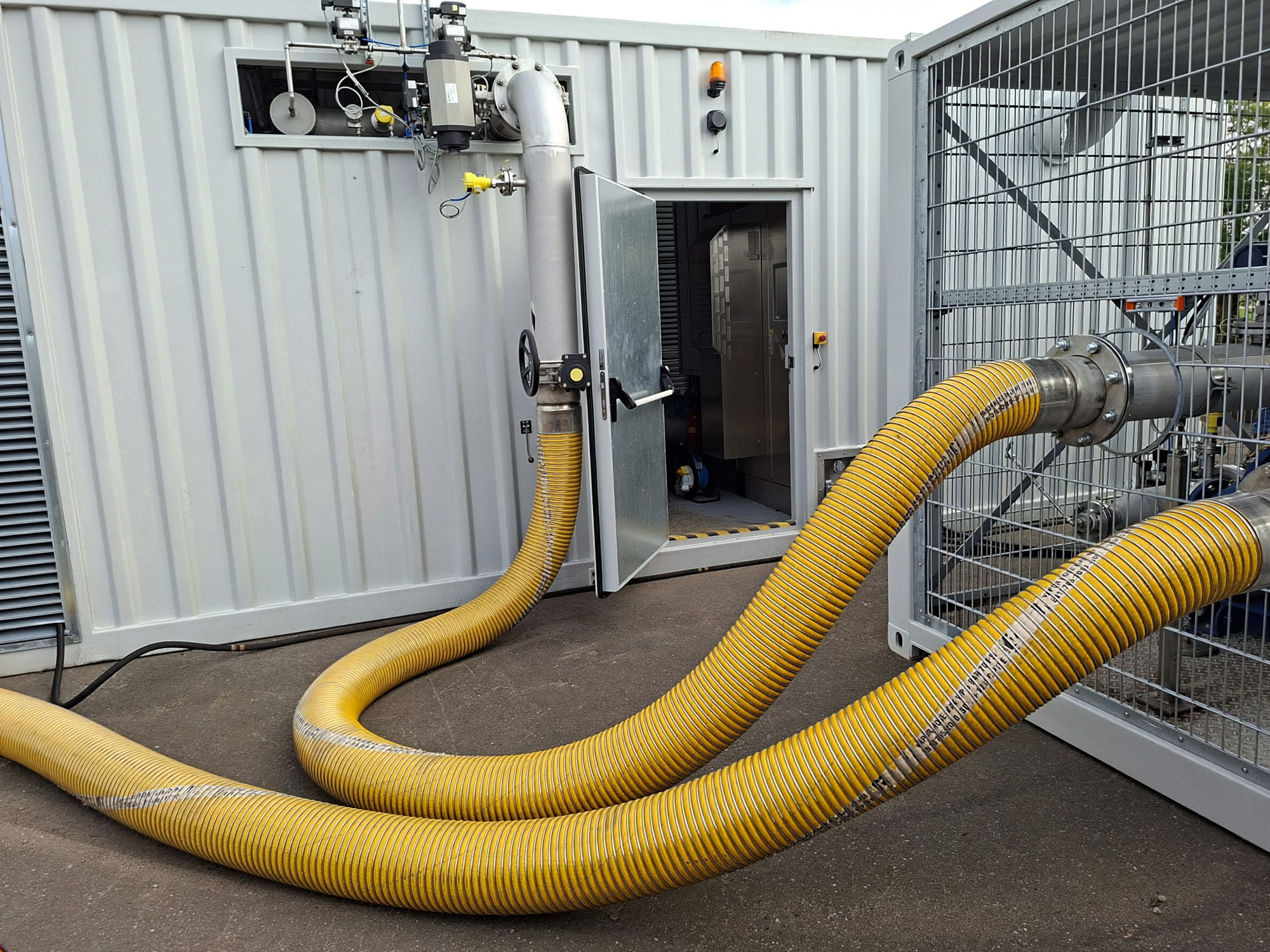
For example, the payment system for the waste disposal charge of Part A, the SPE-CDNI, was switched from a plastic card introduced in 2011 to an app-based solution in 2024. Member States are currently working on the next step, a move to digital registration of data for oily and greasy waste generated from the operation of a vessel.
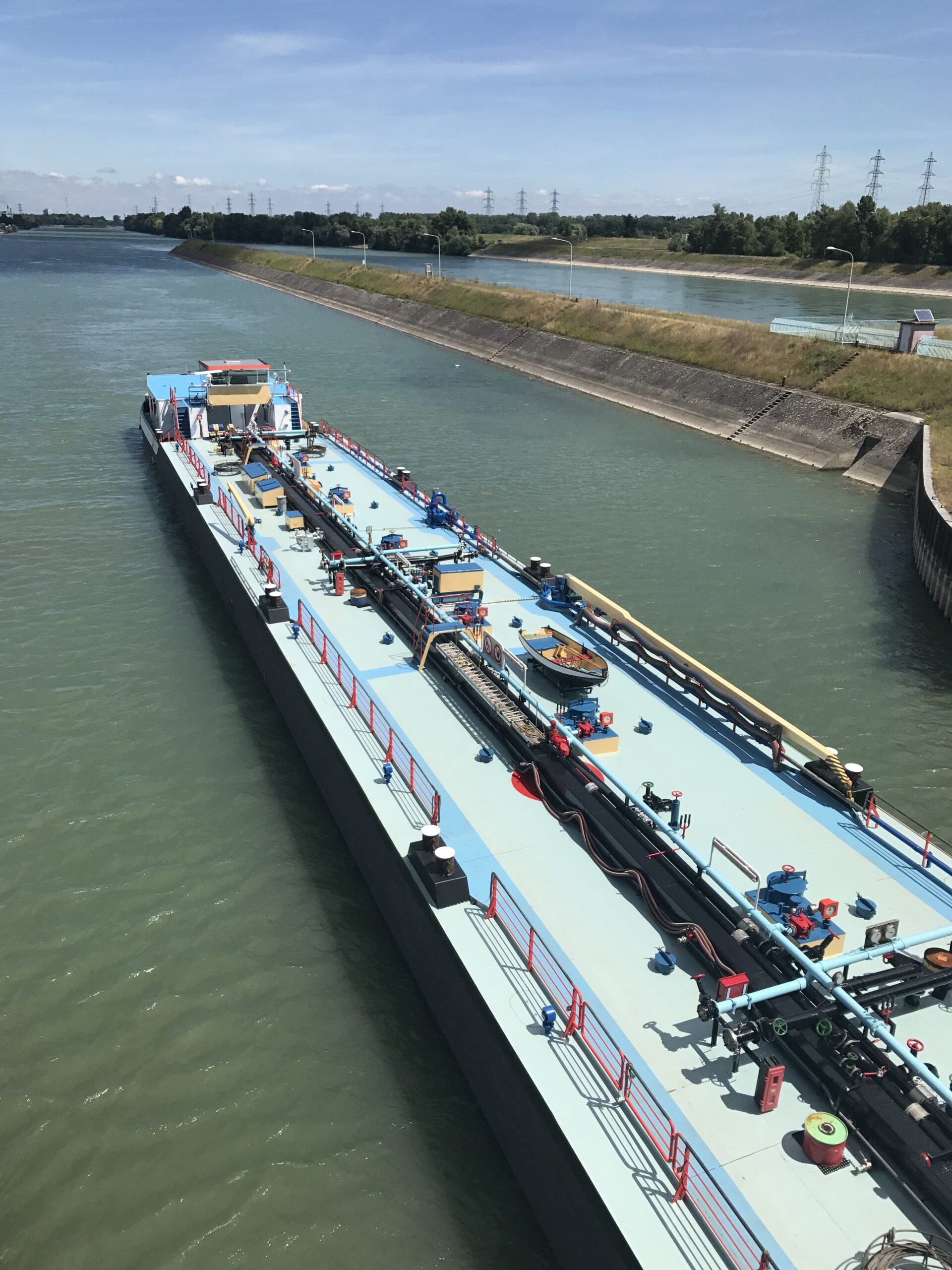
Part B no longer serves solely to protect waterways through waste prevention and the responsible management of residues arising from the handling of dry and liquid cargo; since 2024, it has also regulated the ban on degassing.
In 2025, Part C was expanded to include the collection of domestic waste water and the discharge of sewage sludge from all passenger vessels carrying more than 12 passengers, rather than the previous plan for a phased introduction covering passenger vessels with 50 or more passengers. Bottom line: all three pillars of the CDNI are constantly being developed.
In this anniversary year, Germany holds the Chair of the Conference of the Contracting Parties. Luxembourg has taken over the Chair of the working group which consists of the six Member States plus approved organisations. The work is supported by the Secretariat of the CCNR, which provides the Secretariat of the CDNI.
CONVENTION ON THE COLLECTION, DEPOSIT AND RECEPTION OF WASTE GENERATED DURING NAVIGATION ON THE RHINE AND OTHER INLAND WATERWAYS
CDNI Secretariat
Palais du Rhin - 2, place de la République - F-67082 Strasbourg cedex
Tel +33 3 69 52 10 29
Fax +33 3 88 32 10 72
secretariat@cdni-iwt.org