CONVENTION ON THE COLLECTION, DEPOSIT AND RECEPTION OF WASTE GENERATED DURING NAVIGATION ON THE RHINE AND OTHER INLAND WATERWAYS



Strasbourg, 02.07.2026 – The main issues discussed at the Contracting Parties Conference (CPC) held in Strasbourg on 2 July 2026 included developments relating to SPE-CDNI 3.0, alternative fuels, degassing, and measurement of the Accepted Vent Free Level (AVFL). The meeting took place in Strasbourg and was chaired by Mr Ruben Lindemann, from the German delegation to the CDNI (Convention on the collection, deposit and reception of waste produced during navigation on the Rhine and inland waterways).
The resolutions adopted by the CPC will be published in August on the CDNI website.
Source : CCNR Secretariat
The SPE-CDNI 3.0 payment system allows boatmasters to pay the disposal charge for oily and greasy waste produced during the course of operating the vessel, using either a smartphone (mobile application) or a printed ECO-ID (QR code).
With a view to making the system easier to use, the CPC has decided that, in future, an automatic email will be sent to remind ECO-account holders who use the printed QR code that the QR code is due to expire, and that a new QR code must be generated. In addition, tutorials and online resources are available: https://www.cdni-iwt.org/new-spe-cdni-3-0-system/ . These tools are intended to make the SPE-CDNI 3.0 easier to use, to clarify the steps that should be followed and to provide better guidance for users as they get to grips with the system.
The CPC will continue to explore possibilities for further improving the SPE-CDNI system.
The CPC has approved a major update to SPE-CDNI 3.0. Following a change in the recording of fuel types in the payment system, a new feature will be added which will make it possible to specify the actual percentage of biogenic components incorporated into the gasoil in the case of fuel blends. The aim of this new feature is to analyse the use of alternative fuels in inland waterway transport in greater detail. This will provide the CDNI with a significant tool for use in analysing the behaviour of the inland waterway fleet with regard to waste disposal, as well as for the development of the funding system.
In order to minimise the administrative burden on vessel operators and refuelling stations as far as possible, whilst ensuring accurate and complete recording of fuels, the CPC has approved an amendment to Article 3.03(5) and Article 3.04(1) of the Implementing Regulation, making it mandatory to specify the type of fuel in the SPE-CDNI and in the diesel supply receipt for bunkering companies.
This amendment enters into force on 1 January 2027.
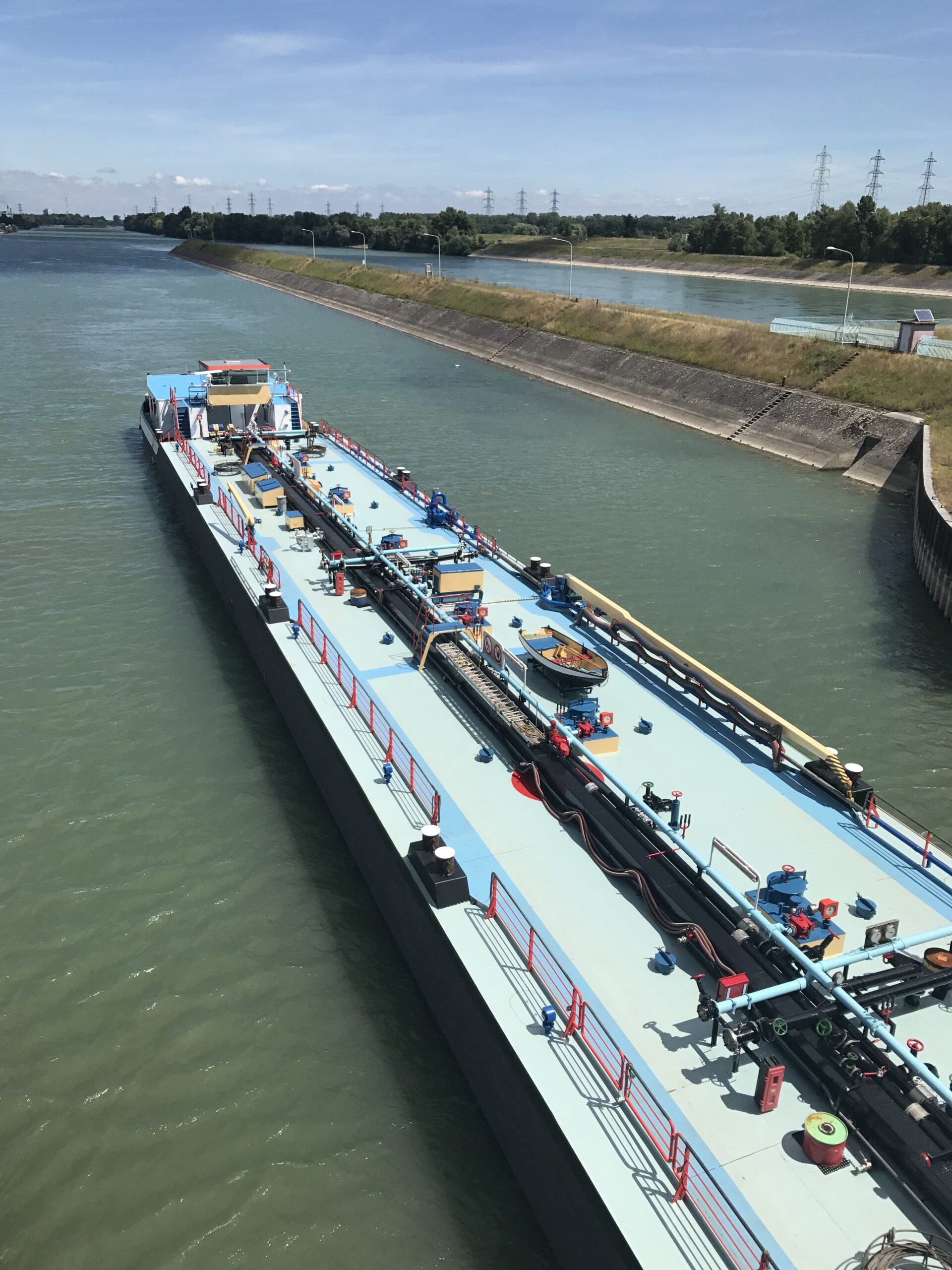
On 25 May 2027, the six Contracting States to the CDNI will hold a themed day in Strasbourg devoted to the gradual entry into force of the requirement concerning the introduction of double-hulled oil separator vessels. This event will bring together national institutes and contracting authorities involved in establishing the network of collection points, waste management companies dealing with oily and greasy waste generated by inland navigation and representatives of the international inland waterway transport sector, with a view to preparing for the impact of these regulatory changes, identifying the main operational issues and sharing initial ideas for solutions.
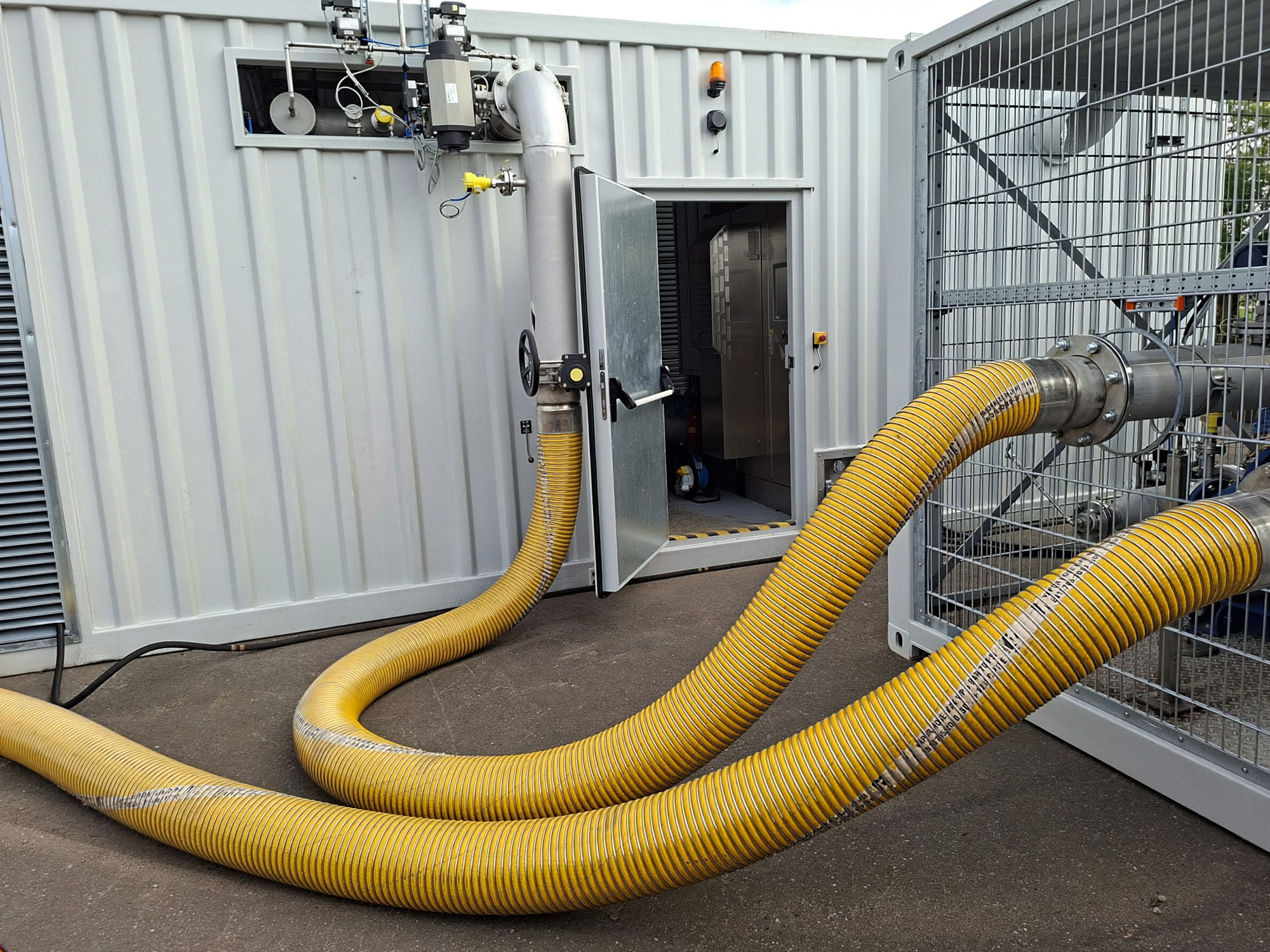
In order to address the need for a clearer process for the degassing of vessels and for the measurement of the AVFL, the CPC has decided to introduce a uniform and practical procedure within the scope of the CDNI, so that vessel operators are subject to the same rules and can comply with the requirements under fair competitive conditions.
It means that if during the measurement process the AVFL is reached for each cargo tank, the degassing procedure should be carried out individually for each cargo tank.
In concrete terms, Section B of Appendix IIIa has been amended, the attestation of unloading has been modified, and a measurement report has been included. These tools are intended to make things easier for the sector by providing simple, clear and well-documented guidelines.
This amendment will take effect immediately.
The European LIFE4DEGAS project aims to assess the scale of emissions resulting from free venting and degassing in Europe, analyse the environmental impacts, and identify initial potential solutions. The CDNI is a member of the project’s advisory board and contributes its technical and regulatory expertise.
Location: Strasbourg
CONVENTION ON THE COLLECTION, DEPOSIT AND RECEPTION OF WASTE GENERATED DURING NAVIGATION ON THE RHINE AND OTHER INLAND WATERWAYS
CDNI Secretariat
Palais du Rhin - 2, place de la République - F-67082 Strasbourg cedex
Tel +33 3 69 52 10 29
Fax +33 3 88 32 10 72
secretariat@cdni-iwt.org