CONVENTION ON THE COLLECTION, DEPOSIT AND RECEPTION OF WASTE GENERATED DURING NAVIGATION ON THE RHINE AND OTHER INLAND WATERWAYS

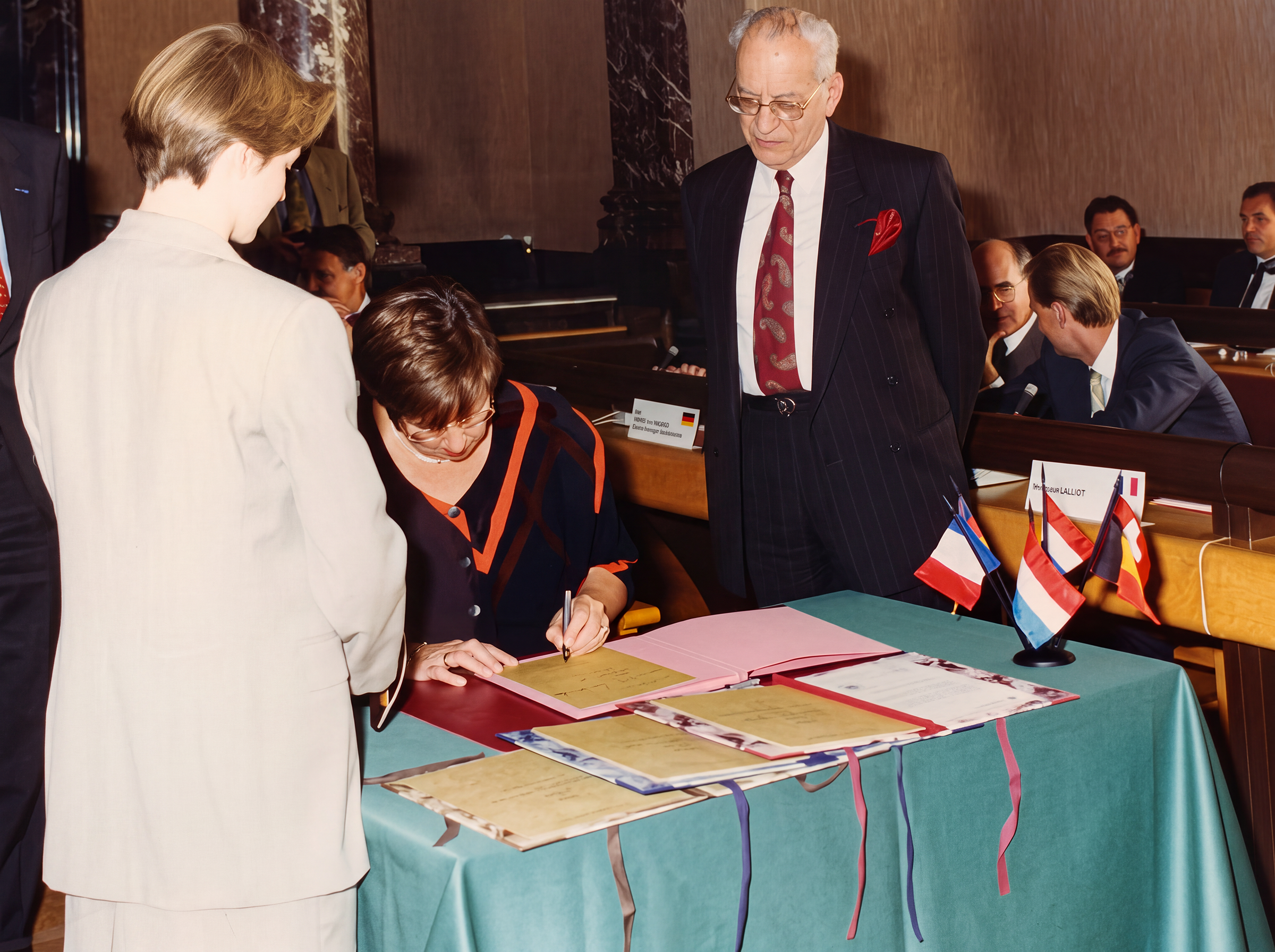
Strasbourg, 16.12.2025 – The Contracting Parties Conference (CPC) held on 16 December 2025 offered the opportunity to discuss a number of issues linked to the collection, deposit and reception of waste generated during navigation on the Rhine and other inland waterways. The meeting took place in Strasbourg and was chaired by Mr Alexandros Koltsidas, from the Swiss delegation to the CDNI (Convention on the collection, deposit and reception of waste produced during navigation on the Rhine and inland waterways). For the period 2026-2027, the role of Chair will pass to Mr Ruben Lindemann, Head of the German delegation.
The resolutions adopted by the CPC will be published in January on the CDNI website.
Source: Adobe Stock
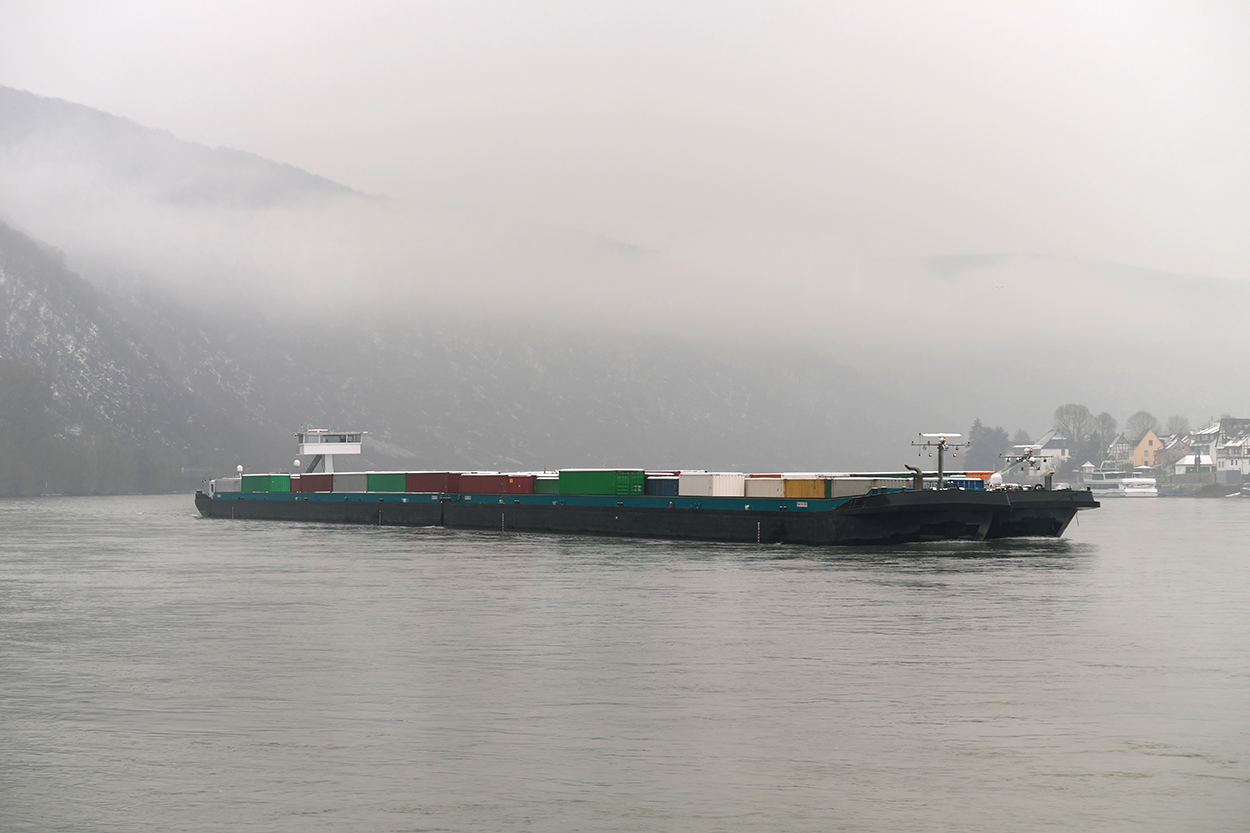
On 1 January 2026, the charge for the disposal of oily and greasy waste is due to increase from 10 Euros to 12 Euros per 1,000 litres of gasoil dispensed. The signatory States to the CDNI have observed that the cost of collecting waste has risen, while revenues have been lower than forecast. The increase will make it possible to maintain the high quality of the collection service for oily and greasy waste.
The SPE-CDNI 3.0 payment system allows boatmasters to pay the disposal charge for oily and greasy waste produced during the course of operating the vessel, either with a smartphone (mobile application) or by means of a printed ECO-ID (QR code). An enhancement to the payment system now allows bunkering stations to record the type of fuel supplied. This will help provide a better overview of the impact of the energy transition on oily and greasy waste.
In addition, the new electronic system for recording oily and greasy waste – introduced in 2024 – is now being used by almost all bunkering stations. It provides a good basis for the possible introduction of an electronic used-oil log in the future.
The CPC adopted the new CDNI 2026-2027 work programme at its meeting on 16 December 2025. This includes new features such as:
Location: Strasbourg
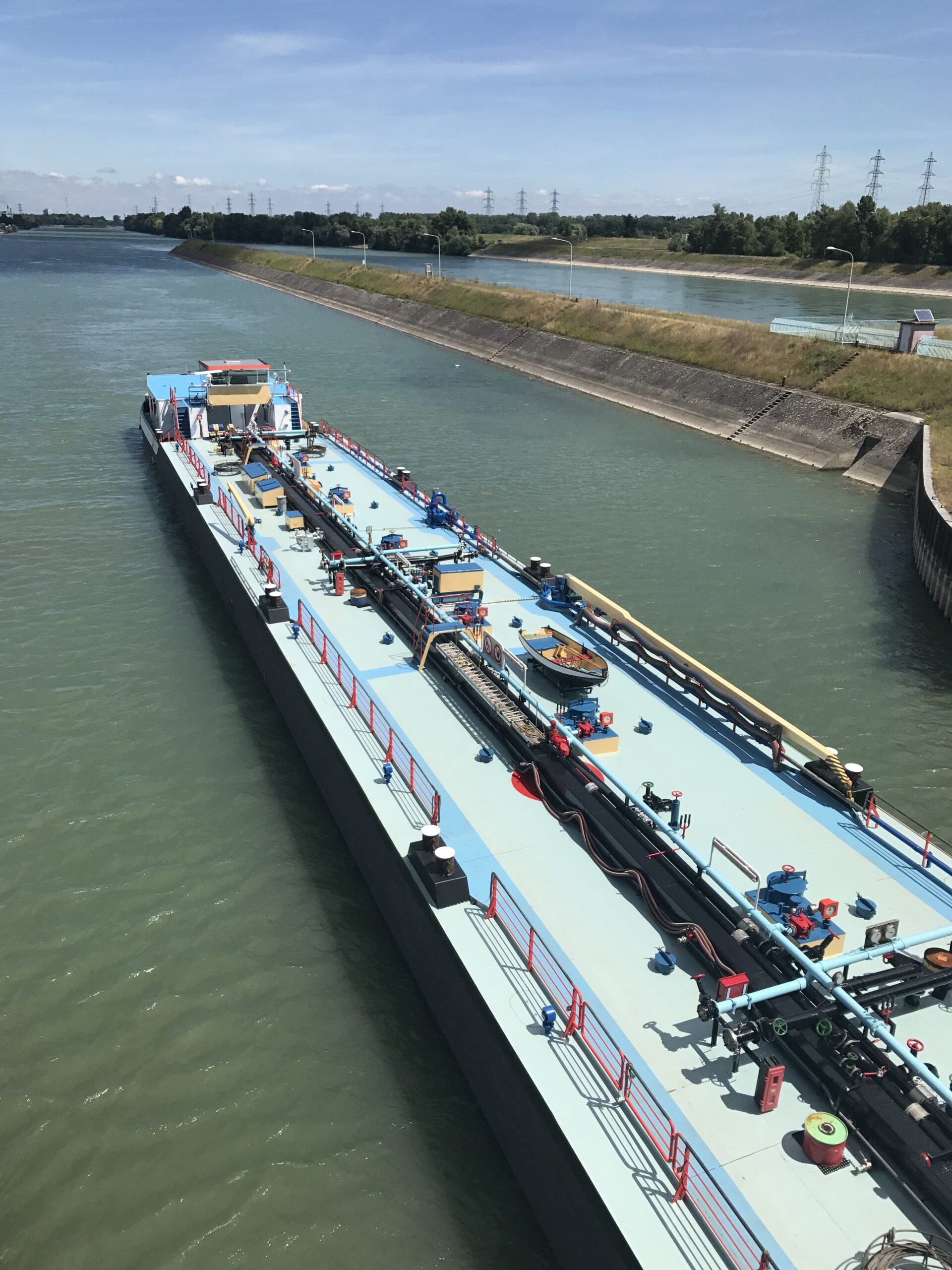
In addition, preparations are ongoing for a themed day devoted to converting the fleet of oil separator vessels to double-hulled vessels. The ADN stipulates that from 2039, only double-hulled oil separator vessels may be used. Currently, the majority of oil separator vessels have only a single hull. Modifying these vessels or purchasing double-hulled vessels is very expensive. The aim of the themed day is to consider the possible solutions to this major challenge.
CONVENTION ON THE COLLECTION, DEPOSIT AND RECEPTION OF WASTE GENERATED DURING NAVIGATION ON THE RHINE AND OTHER INLAND WATERWAYS
CDNI Secretariat
Palais du Rhin - 2, place de la République - F-67082 Strasbourg cedex
Tel +33 3 69 52 10 29
Fax +33 3 88 32 10 72
secretariat@cdni-iwt.org